


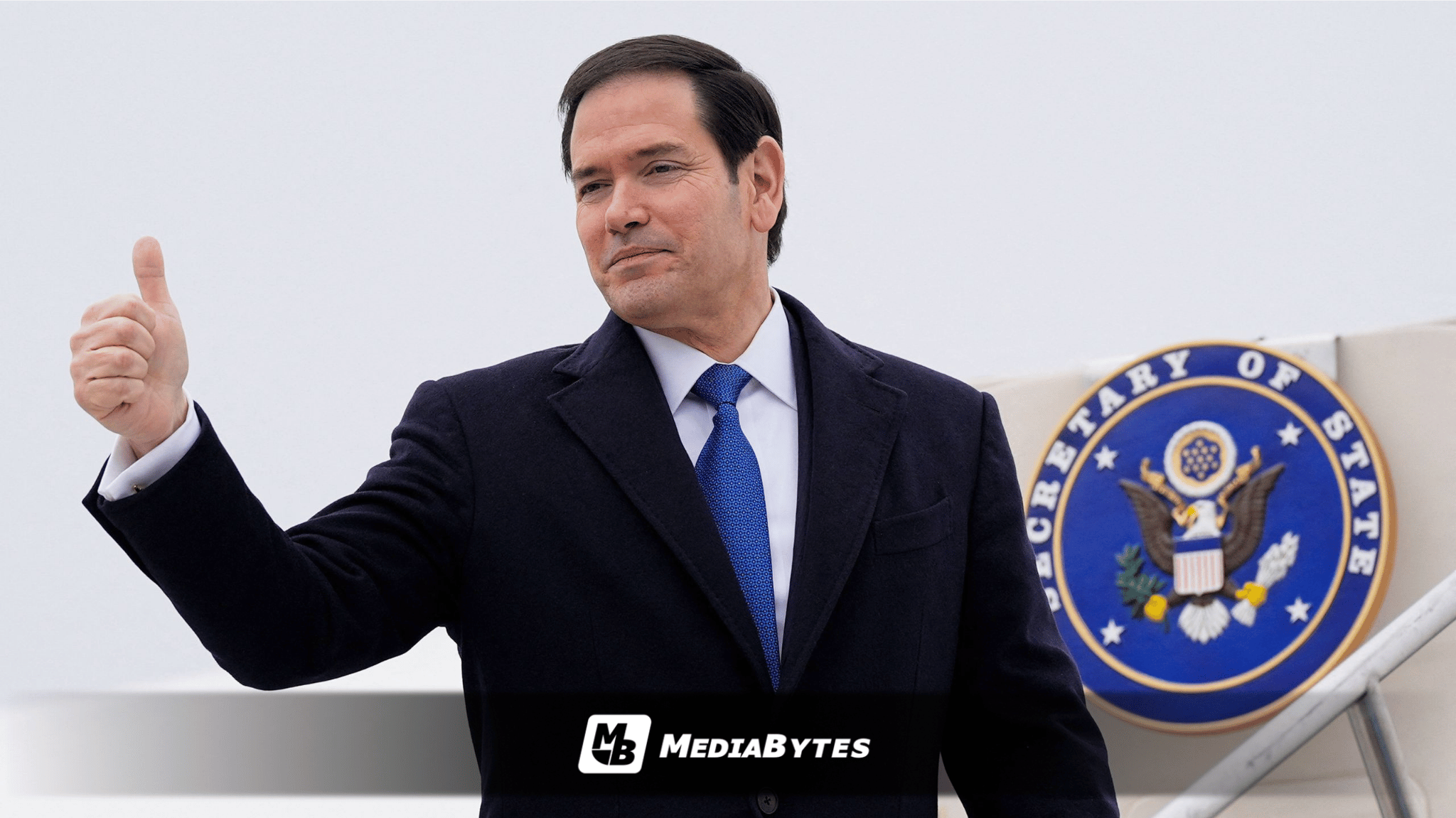
U.S. Secretary of State Marco Rubio is meeting with foreign ministers from the Group of 7 (G7) industrialized democracies in Paris for two days of high-stakes talks. The agenda covers critical global issues, including the Russia-Ukraine war, the conflict with Iran, energy security, and artificial intelligence.
The summit marks Rubio’s first international venture since the Republican Party suffered severe losses in the U.S. midterm elections, costing the GOP control of Congress amid voter backlash over policies like the Iran war. European allies are reportedly eager to understand how President Donald Trump plans to adjust his foreign policy moving forward.
Addressing reporters about international questions regarding the U.S. political shift, Rubio noted that his counterparts are well-acquainted with domestic political friction.
“They, too, have experienced divisions in government and divisions in their own system,” Rubio said.
Despite the Democrats’ congressional gains, indications suggest little change in Trump’s strategy. The administration recently appointed hard-line supporter Stephen Miller as chief of staff—a figure known for advocating extreme domestic and foreign policy positions.
Meanwhile, speculation persists regarding Rubio’s potential early departure from the administration to prepare for a 2028 presidential bid, though he has denied these claims.
Discussions in Paris also center heavily on ongoing geopolitical conflicts. Regarding the war in Ukraine, Trump has explored a European partnership to secure an end to the fighting. U.S. envoys Steve Witkoff and Jared Kushner are scheduled to meet with Ukrainian and Russian officials in Abu Dhabi this week to evaluate potential compromises.
Rubio highlighted that post-conflict security guarantees remain a primary concern for European allies.
“There’s been some advances made in what that architecture could look like post-conflict. Nothing’s been finalized yet, and maybe some progress can be made in Abu Dhabi,” Rubio stated.
Concurrently, Middle Eastern mediators have proposed an interim solution to de-escalate the conflict with Iran, which has driven up fuel prices and triggered instability across vital shipping corridors in the Red Sea and the Strait of Hormuz.
While noting that a breakthrough is not yet imminent, Rubio reaffirmed that Trump favors diplomacy, though current efforts face hurdles.
“Right now, it hasn’t been very productive because the Iranian demands are simply not just unacceptable,” Rubio remarked.