


SEOUL, South Korea — South Korea has successfully conducted a flight test of its first domestically developed hypersonic weapon, capable of traveling at more than five times the speed of sound to evade defense systems, bringing the country closer to advanced deterrence capabilities.
North Korea did not immediately respond to the launch, which occurred shortly after Pyongyang conducted its own hypersonic missile test into waters near Japan.
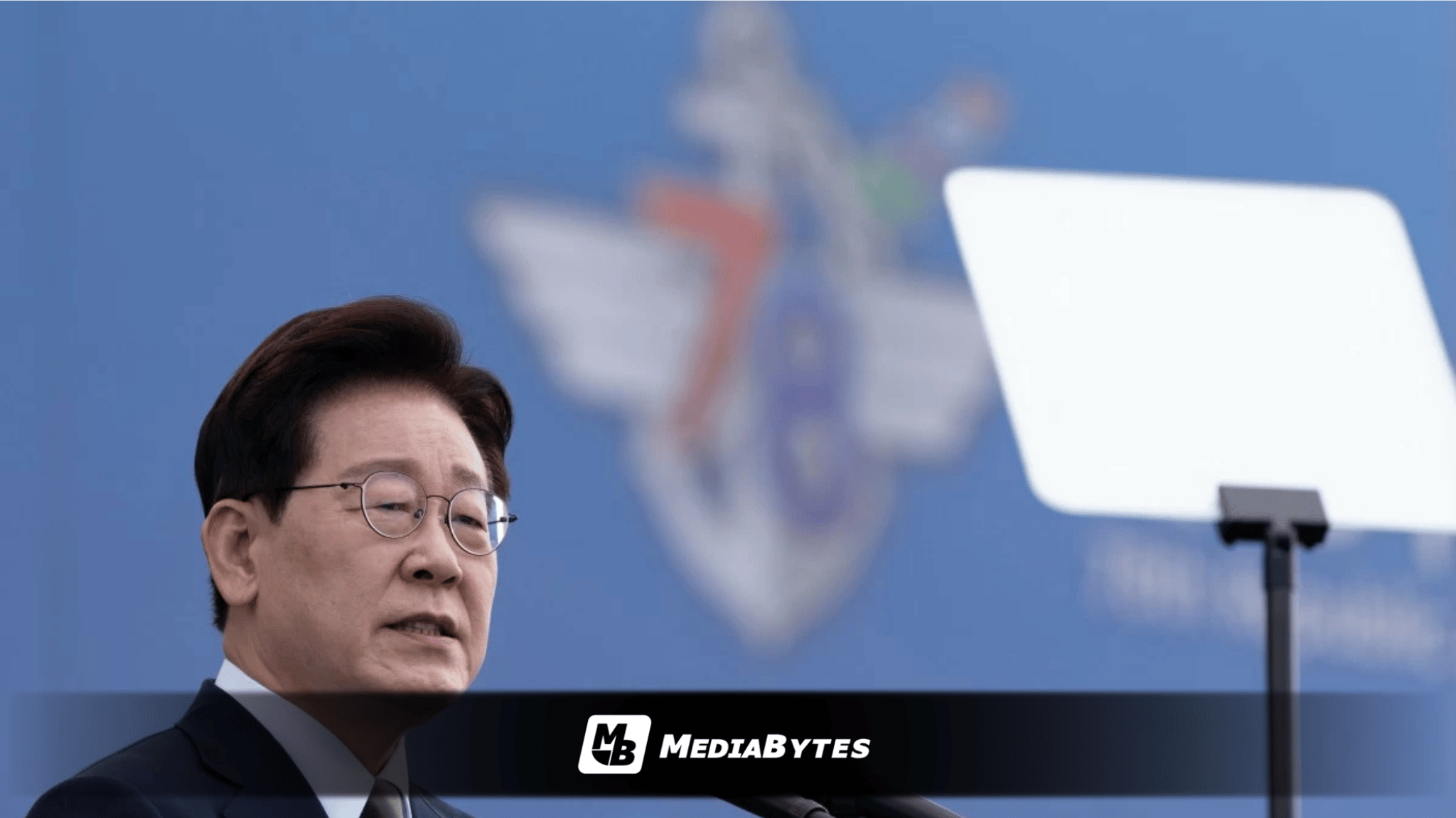
South Korean President Lee Jae Myung personally attended the launch, describing it as a major breakthrough in bolstering the nation’s conventional military capabilities, according to an official statement. The official release did not specify the location of the test.
Military officials reported that after detaching from its booster rocket at the intended altitude, the projectile executed vertical and horizontal maneuvers before striking its designated target. Once fully operational, the system is expected to deliver high-precision surprise strikes against strategic points within the “Korean Peninsula theater of operations.”
Lee emphasized that South Korea “must secure our security through our own strength,” while also reviewing the country’s high-power Hyunmoo-5 ballistic missile on the same day, according to his office. Official communications did not include any direct statements from the president addressing North Korea.
Cross-border tensions have escalated recently following land mine explosions along the heavily fortified border that injured three South Korean soldiers.
Investigations by the South Korean military and the United Nations Command attributed the land mines to North Korea. Pyongyang denied involvement and dismissed demands for an apology.
Meanwhile, North Korean leader Kim Jong Un has intensified weapons testing and expanded his nuclear arsenal while maintaining a firm stance against Seoul.
Kim has declined overtures from U.S. President Donald Trump to resume diplomatic talks that stalled in 2019, maintaining that Washington must first abandon its “hostile” stance and lift denuclearization demands.
The heightening friction poses a diplomatic challenge for Lee, who advocates for engagement with Pyongyang and has kept his public statements restrained despite rising domestic outcry over the border mine incidents.
Lee has consistently pushed to upgrade South Korea’s independent defense capabilities to lessen reliance on Washington, which previously cut back joint military exercises after Trump cited his “very good relationship” with Kim.
During its October 3 test, North Korea launched an intermediate-range hypersonic missile that it claimed traveled over 1,000 kilometers (621 miles). Japanese authorities confirmed the missile fell outside Japan’s exclusive economic zone.
South Korean tracking systems recorded the flight distance at over 700 kilometers (435 miles), whereas the Japanese Defense Ministry estimated it at roughly 680 kilometers (422 miles).
Kim Yo Jong, the influential sister of the North Korean leader, asserted that the conflicting distance reports demonstrated that the allied nations lack the technical capability to accurately track or intercept such hypersonic systems.