


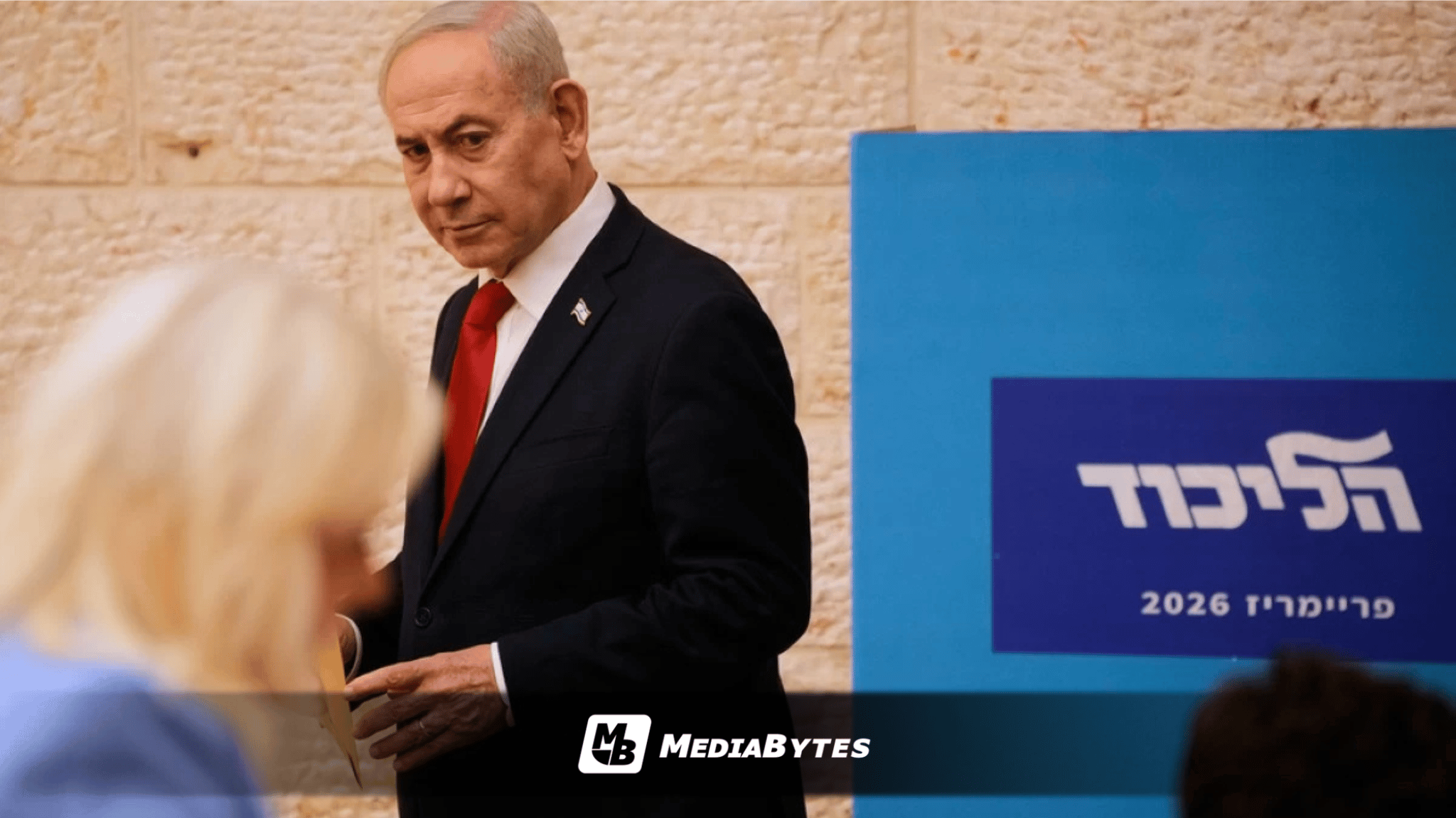
WASHINGTON — Decades of bipartisan support for Israel in the United States face unprecedented strain following a turbulent 24-hour span marked by a potential shift in U.S. policy, a key Senate victory by a staunch critic of Israel, and public reflections from Vice President JD Vance on the country’s foreign policy alignment.
The friction stems largely from the fallout of military campaigns in Gaza and joint operations involving Iran, deepening divisions among both Democrats and Republicans.
In Israel, critics have accused Prime Minister Benjamin Netanyahu of mismanaging ties with Washington. However, foreign policy analysts note that the political rupture extends beyond current leadership. On the political left, public perception of Israel has soured due to the conflict in Gaza and settlement expansion in the West Bank.
Meanwhile, some figures on the right argue that entanglements in the Middle East conflict conflict with “America First” priorities.
“Something fundamental has shifted,” said Michael Oren, a historian and former Israeli ambassador to the U.S. “My working assumption is that the call to cut off military aid is just the beginning.”
Policy and Electoral Shifts
Questions arose following an interview with Fox News in which U.S. President Donald Trump floated the possibility of cutting off billions of dollars in annual military aid to Israel. It remains unconfirmed whether the remarks represent a concrete policy shift or a late campaign strategy, as the White House has not yet provided further details.
The comments coincided with significant domestic election results. In Michigan, Democrat Abdul El-Sayed secured a decisive Senate victory over his Republican opponent. El-Sayed has been an outspoken critic of Israeli military actions in Gaza, charges that Israeli officials vehemently deny.
Meanwhile, Vice President JD Vance pointed to the country’s relationship with Israel as a factor in recent political outcomes, sharing insights from a political pollster on necessary shifts for the Republican Party following a series of electoral defeats.
“This clearly doesn’t bode well,” said Chuck Freilich, a former deputy national security adviser in Israel, noting that calls to reevaluate bilateral ties resonate strongly with the isolationist and MAGA factions of the Republican Party.