


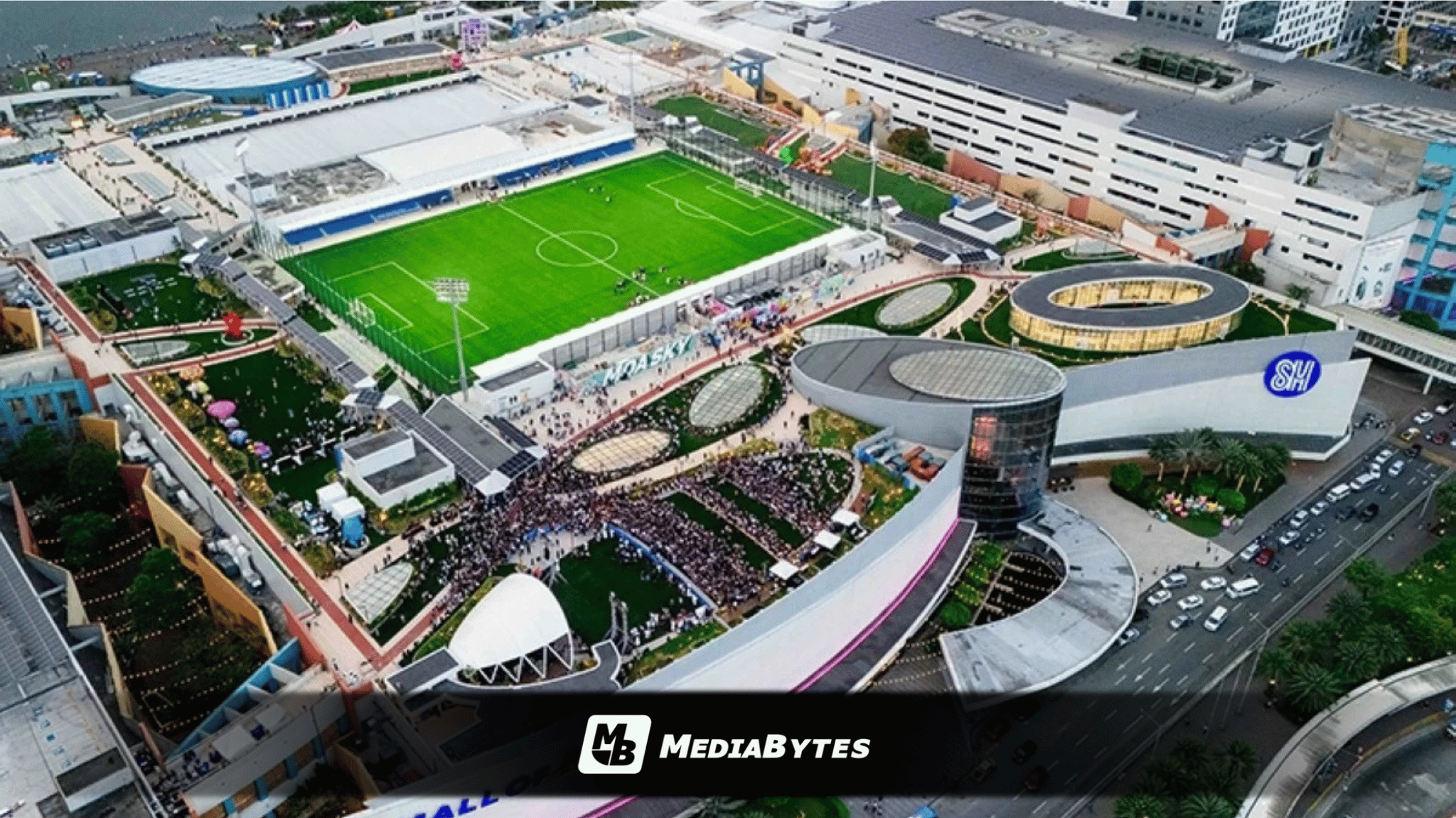
MANILA — The SM Group is pushing forward with its massive 360-hectare waterfront development on reclaimed land in Pasay City, with a projected $150-million corporate loan from the Beijing-based Asian Infrastructure Investment Bank (AIIB) lined up to finance its core infrastructure.
Publicly released documents from the AIIB revealed that the project—named Pasay 360 under the SM Climate Resilient Urban Development initiative—is structured as a smart, master-planned urban district.
Undertaken by SM Prime Holdings Inc. through its subsidiary SM Smart City Infrastructure and Development Corporation (SMSCIDC), the development aims to provide fully serviced land for long-term investments spanning education, healthcare, hospitality, and commerce.
The venture is a public-private partnership involving SM Prime, the local government of Pasay, and the state-run Philippine Reclamation Authority. Under the terms of the agreement, more than half of the developed property—specifically 183.6 hectares—will be transferred to government partners free of charge upon completion.
Spanning an area roughly equivalent to 8,600 basketball courts along Manila Bay, the project features roads, bridges, public utilities, landscaped zones, a central park, smart-city systems, water recycling facilities, and expanded green spaces.
While the AIIB’s proposed non-sovereign corporate loan targets the private developer rather than the national government, bank documents specify that the funds will strictly support horizontal infrastructure—such as revetment works, bridges, roads, utilities, landscaping, and smart-city components—rather than the reclamation process itself.
Appraisal for the loan is scheduled for November, with tentative approval targeted for December, and final disbursement expected by the first quarter of 2030.
Despite being limited to structural and utility development, the lender classified the initiative as Category A due to its massive scale, coastal location, and potential social and environmental ramifications on Manila Bay. Initial screenings placed the site near sensitive ecological zones, including the Manila Bay Key Biodiversity Area and the Las Piñas-Parañaque Critical Habitat and Ecotourism Area.
Environmental due diligence will assess marine water quality, sediment movement, coastal hydrodynamics, biodiversity, fisheries, and construction-related disruptions like waste management and traffic.
On the social front, the lender will examine potential displacement, livelihood disruptions for local fisherfolk, labor standards, and community safety, alongside implementing an active stakeholder engagement and grievance redress mechanism.