


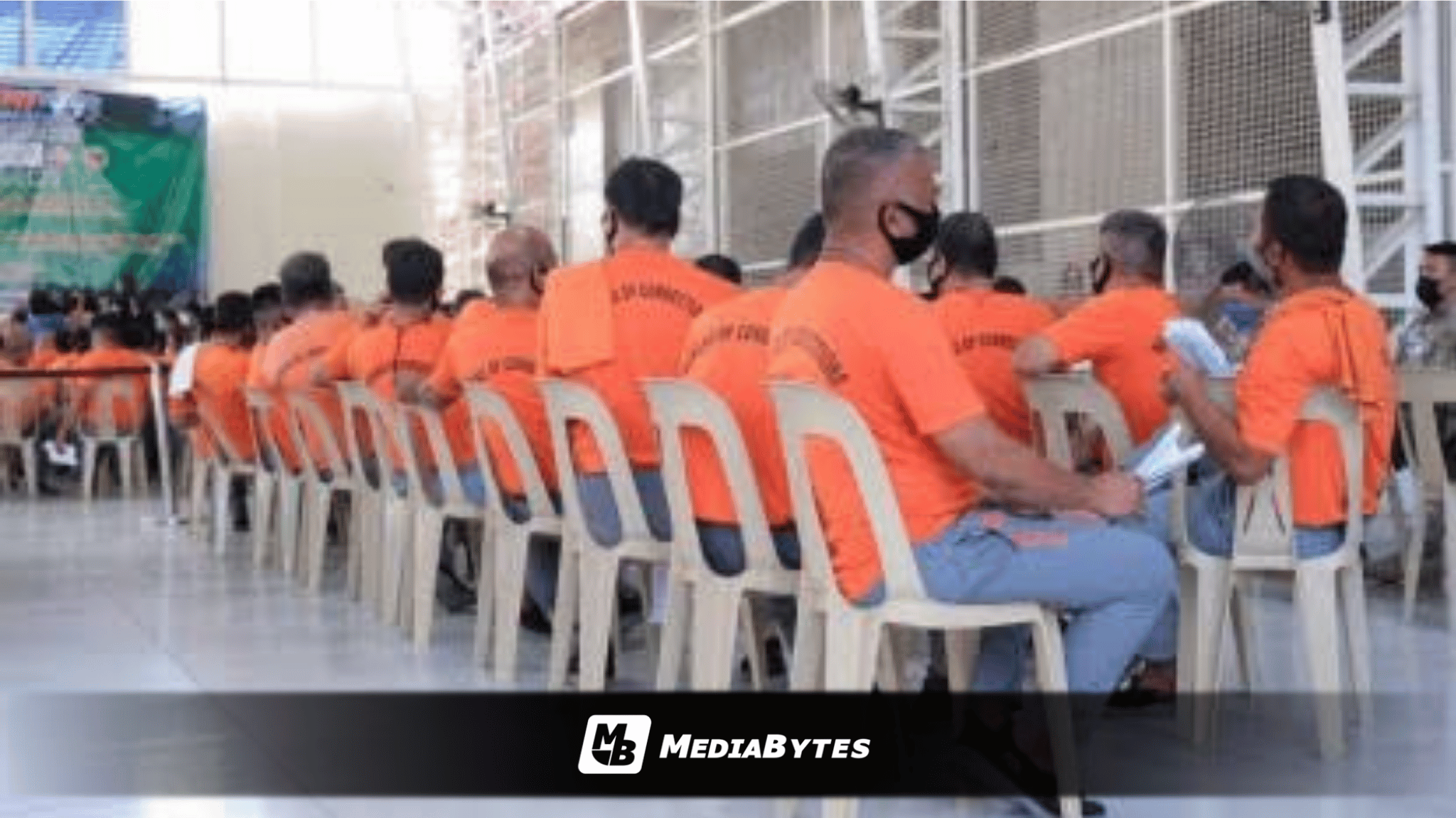
MUNTINLUPA, Philippines — The Bureau of Corrections (BuCor) sees no issue with medical confinement as an alternative to traditional prison detention for convicted individuals, provided it is limited to elderly and severely ill offenders with appropriate safeguards in place.
BuCor Director General Gregorio Pio Catapang Jr. emphasized that while the agency supports these non-custodial options, strict measures must be enforced to guarantee that justice remains fully served.
The bureau head made the statement in response to proposed legal alternatives to imprisonment presented by Chief Justice Alexander Gesmundo during the Justice Sector Coordinating Council (JSCC) Summit.
Alongside medical confinement, Gesmundo suggested exploring house arrest and community-supervised release to address severe overcrowding in penal facilities while maintaining a humane and efficient justice system.
Catapang noted that the Chief Justice’s proposals align with BuCor’s stance on compassionate release for qualified offenders who are sick, elderly, or deserving of humanitarian consideration after completing the minimum period of their sentences.
He added that similar frameworks are already operational in nations such as the United States, the United Kingdom, and Canada.
“This is no different from our proposal granting medical parole to elderly persons deprived of liberty aged 70 and above, those who are terminally ill, and individuals who are severely incapacitated,” Catapang said.
“These systems recognize that continued incarceration of terminally ill or severely incapacitated individuals may constitute inhumane treatment and no longer serve a legitimate penal objective,” said Catapang.
Records from the BuCor Directorate for Health and Welfare Services (DHWS) show that as of August this year, the agency housed roughly 6,074 elderly persons deprived of liberty (PDLs), 55 of whom were diagnosed as terminally ill.
Under the suggested framework, qualified PDLs could complete the remainder of their sentences outside prison facilities through home confinement, medical parole, or community supervision, with oversight tailored to each inmate’s health condition, age, risk assessment, and specific circumstances.