


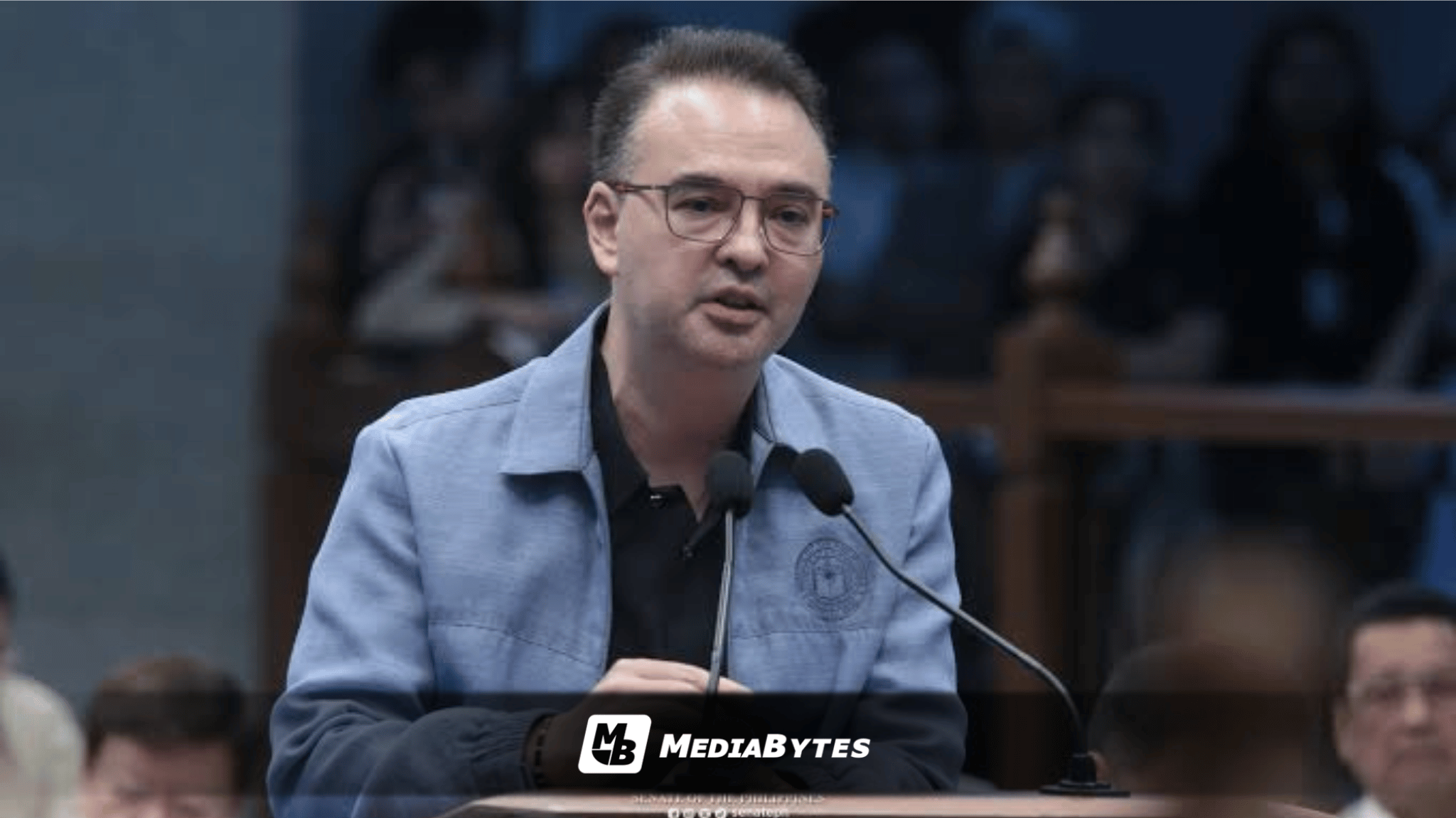
MANILA, Philippines — Senate Minority Leader Alan Peter Cayetano proposed on Monday, November 23, the creation of a voluntary donation mechanism that would allow Filipinos to contribute personal funds toward reducing the country’s ₱19-trillion national debt.
Raising the idea during the opening day of plenary deliberations on the proposed 2027 national budget, Cayetano noted that the country’s outstanding obligations translate to roughly ₱170,598 per citizen.
Senate Senior Majority Leader JV Ejercito, who chairs the Senate Committee on Finance, confirmed both the total debt figure and the per-capita breakdown.
Cayetano inquired whether citizens wishing to go beyond their regular tax obligations could pay their individual share through the Bureau of the Treasury or the Bangko Sentral ng Pilipinas.
”If I want to be a good citizen and I want to pay my share, ₱170,000, where do I go?” Cayetano asked.
”The best contribution is just to pay the right taxes, the biggest contribution,” Ejercito replied.
Cayetano maintained that he wanted to contribute more than what he already pays in taxes.
”That’s not true, because I’m already paying the right taxes. I want to go beyond nga eh, I want to pay my 170,000,” he said.
When pressed on whether the government currently accepts direct debt-reduction donations from the public, Ejercito confirmed that no such system exists.
”There’s no mechanism,” Ejercito said.
In response, Cayetano urged the government’s economic team to establish a formal channel for voluntary contributions. He pointed to South Korea’s past financial crisis, where citizens voluntarily surrendered personal valuables to help ease state debt.
”Once upon a time, Korea was in terrible debt, and people didn’t just pay taxes. They got out their jewelry and donated it to the government. That happened once in history to our neighbor. Why can’t it happen to us?” Cayetano said.
The senator suggested that wealthy businesspeople could initiate the effort by covering the ₱170,000 share for themselves, their relatives, and their household staff.
”What if each of them pay ₱170,000 for themselves and their family? And what if they’re feeling generous and they have one or two kasambahay and they want to pay for it?” he said.
He also suggested that overseas Filipino workers could participate by contributing smaller amounts over time. While he hopes the initiative could spark a broader debt-free movement, Cayetano acknowledged that public skepticism toward the government remains a major hurdle.
”The sentiment is so much distrustful sa government. The sentiment now is: lahat tayo magnanakaw, lahat kayo, lahat tayo magnanakaw sa government, no, that no one wants to donate. We don’t even have that mechanism for donating,” he said.
Cayetano stressed that any donation program must be paired with strict fiscal safeguards, responsible spending, and careful evaluation of new loans based on interest rates and economic returns.
Questioning the continuous rise in debt-servicing costs amid sluggish economic growth, he emphasized that citizens would only step forward if assured their donations would be directed toward productive projects rather than undermined by mismanagement or excessive borrowing.