


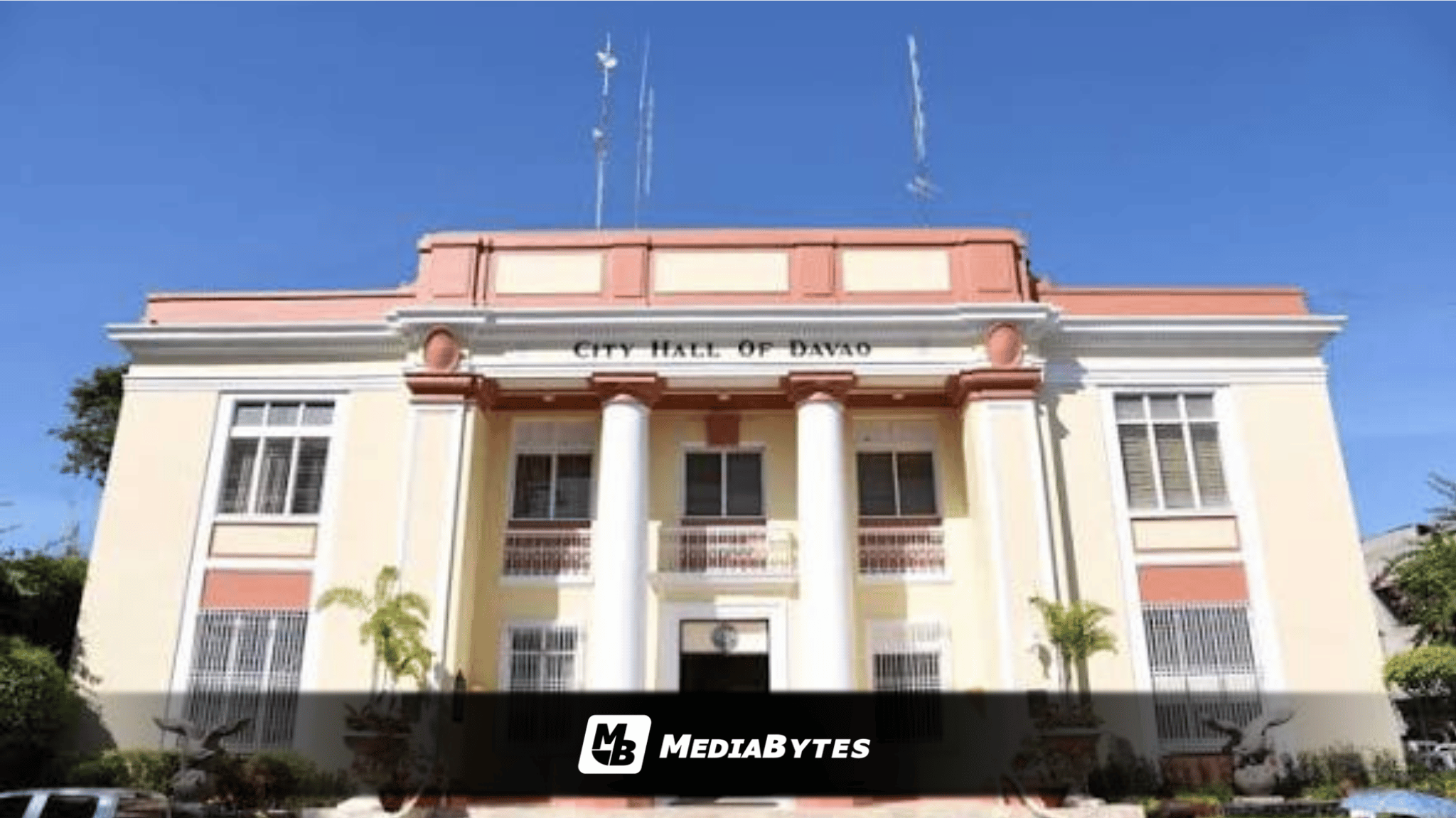
DAVAO CITY, Philippines — Waste management in Davao City remains fully operational despite minor service disruptions following the relocation of disposal operations to the New Carmen Landfill, local officials assured on Friday, October 2.
Speaking at the Isyu Karon forum held at The Royal Mandaya Hotel, Councilor Temujin Ocampo, chairperson of the Committee on Environment and Natural Resources, confirmed that the city began utilizing the new site adjacent to the former dumpsite after environmental regulators mandated the closure of the old facility.
While acknowledging that minor delays in collection schedules may occur during the transition, Ocampo emphasized that the City Environment and Natural Resources Office continues to meet the municipality’s disposal needs.
Davao City generates roughly 700 to 800 tons of waste daily, but the councilor affirmed that local capacity remains sufficient without needing to haul trash to neighboring areas.
”The city has new garbage trucks and works with private haulers, including contractors that serve some private subdivisions,” Ocampo said.
While exact numbers for the active fleet were not provided, Ocampo noted that occasional delays remain manageable provided all refuse is ultimately collected. He urged residents to observe designated pickup schedules and drop-off points to avoid penalties, while encouraging households to adopt waste segregation at the source.
Recoverable materials like plastic, paper, and cardboard should be sorted for reuse or sale rather than dumped into landfills, which Ocampo noted could provide extra income for local waste pickers and collectors.
He emphasized that disposal sites should only receive residual waste that cannot be composted, recycled, or recovered.
”This would help protect the environment and extend the useful life of the city’s waste facilities,” Ocampo said.
Proper segregation will also prove critical for the city’s planned waste-to-energy (WTE) plant, which requires dry, combustible materials with sufficient calorific value to operate efficiently.
”Food waste, wet waste, and certain medical waste, among other unsuitable materials, should not simply be fed into the facility,” the councilor said. “Households should begin with basic segregation.”
”Separating recyclable materials would also allow waste workers and waste pickers to earn additional income from materials that can still be recovered,” he added.
Ocampo reiterated the city’s commitment to its memorandum of agreement with the Japanese government for the proposed WTE project. Davao City has set aside a nine-hectare property for the site and is currently waiting for Japanese partners to handle the bidding phase prior to construction.
The facility is designed for a gross capacity of 13 megawatts, with 2 megawatts designated for internal operations and 11 megawatts slated for power output. The city aims to complete the project between 2028 and 2029, depending on procurement and construction timelines.
To support the project’s participation in the Department of Energy’s (DOE) auction mechanism, the City Council approved an ₱11-million bid bond, calculated at roughly ₱1 million per megawatt of projected net output.
”If the city does not win or advance in the bidding, the bond will be refundable,” Ocampo said. “If the bid succeeds, the amount will become a performance bond tied to the completion of the project.”
Ocampo added that municipal authorities will collaborate with the Department of Environment and Natural Resources (DENR) and the Environmental Management Bureau to closely track emissions—specifically hazardous pollutants like dioxins and furans—by adapting continuous monitoring systems used in other industrial sectors.