


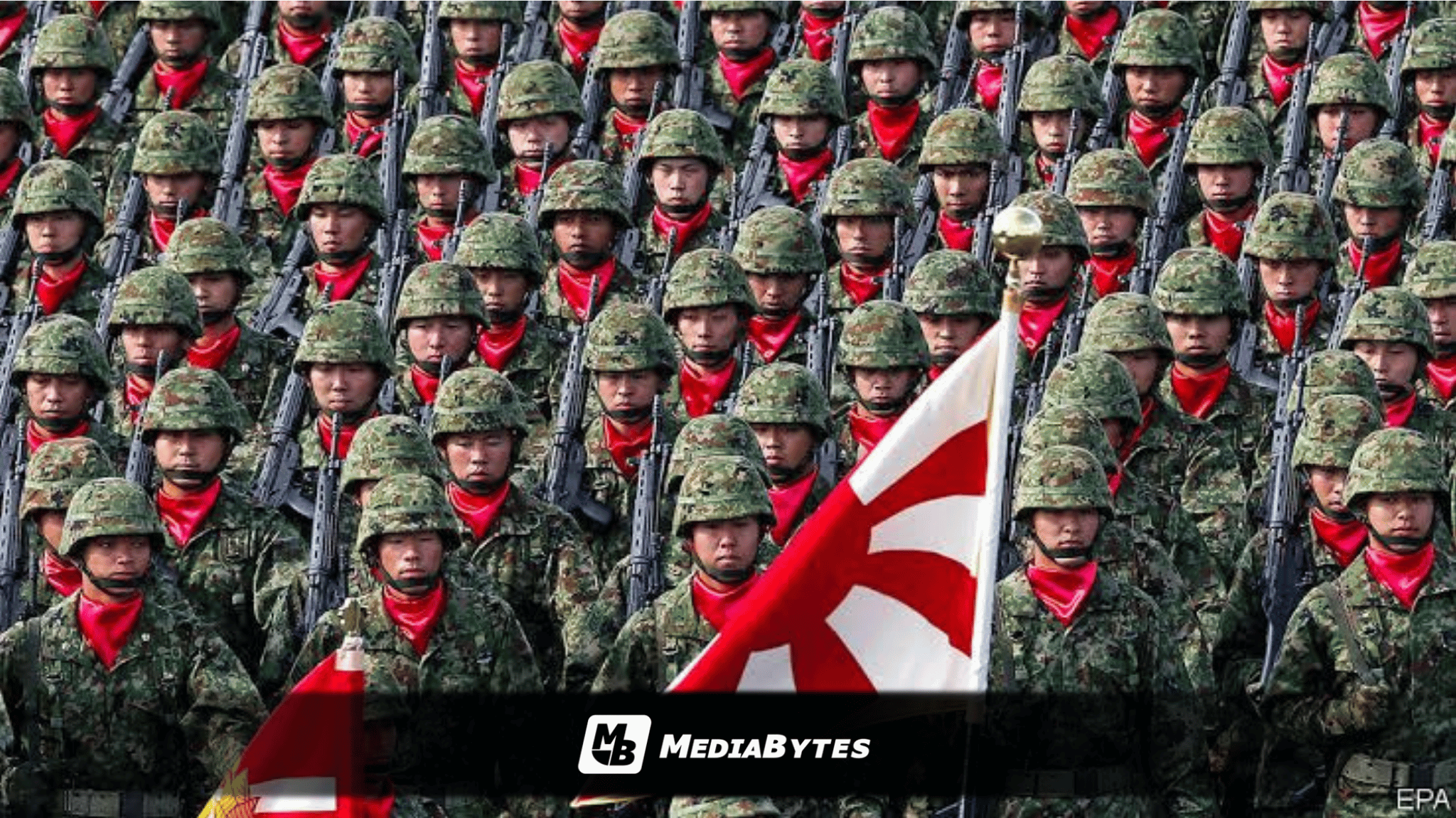
TOKYO, Japan — Prime Minister Sanae Takaichi’s administration is preparing to enhance defense capabilities in Japan’s southwestern region following the election of Genta Koja as Okinawa’s first conservative governor in 12 years.
The strategic pivot, known as the “Nansei shift,” aims to counter escalating Chinese military maneuvers in the surrounding waters. Koja, a former deputy mayor of Naha, defeated incumbent Governor Denny Tamaki on September 13. The political shift is expected to accelerate the designation of regional ports and airports for joint civilian-military use by the Self-Defense Forces (SDF) and the Japan Coast Guard during peacetime.
While 57 dual-use facilities have been designated nationwide—including three in Okinawa—former Governor Tamaki had resisted expanding the list to prefecture-managed sites like Ishigaki Airport. Following his victory, Koja indicated plans to advance these designations, particularly across remote islands.
Defense officials argue the reinforcement is crucial for regional security.
“Strengthening the defense system of the Nansei Islands is essential to protect Japan and the people of Okinawa,” Defense Minister Shinjiro Koizumi told reporters at the prime minister’s office in Tokyo on September 17 after retaining his post in a cabinet reshuffle.
However, the planned expansion has drawn opposition from local officials and residents concerned about security risks.
“We are opposed to military-civilian joint use,” a prefectural assembly member said. “There is a risk that (facilities) could become targets of attack.”
The central government’s broader military buildup includes elevating Naha’s Ground SDF 15th Brigade to division status by early next year, expanding its personnel from 2,300 to 3,900. Plans also feature deploying an electronic warfare unit and a surface-to-air missile unit to Yonaguni by fiscal 2030, along with long-range Type 25 surface-to-ship guided missiles to bolster counterstrike capabilities.
Defense Ministry officials acknowledged that missile deployment proposals would not have gained traction under Tamaki’s governorship.
“it would definitely not have gained traction under the Tamaki governorship.”
Despite Koja’s election, central authorities face ongoing friction in the region, which hosts nearly 70 percent of U.S. military facilities in Japan.
“We will continue to engage carefully with municipalities, which are closest to local residents,” another senior Defense Ministry official said.