


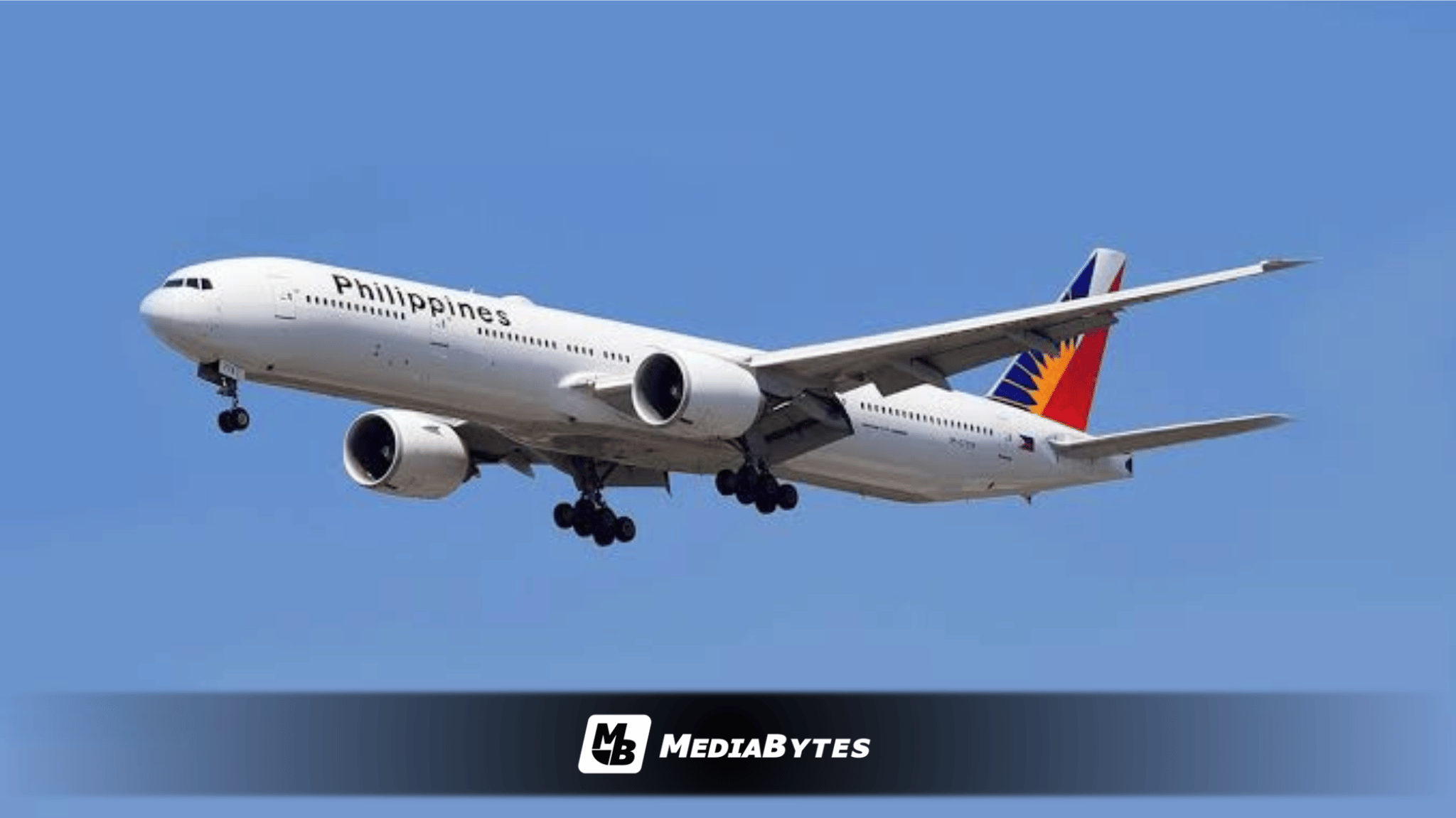
MANILA, Philippines — Philippine Airlines (PAL) recorded a net loss of $159 million for the first nine months of 2026, reversing the $158.7 million net income it posted during the same period last year.
The financial turnaround was driven by a sharp escalation in fuel prices stemming from geopolitical conflicts in the Middle East, which effectively erased the carrier’s top-line growth.
Despite the bottom-line loss, PAL’s total revenue expanded by 4 percent to $2.5 billion, up from $2.4 billion a year earlier. This growth was propelled by stronger cargo yields and increased passenger demand for premium offerings.
Rising energy prices served as the primary pressure point for the Lucio Tan-led carrier, with fuel expenditures surging 50 percent to $1.02 billion. Fuel costs accounted for 39.6 percent of total operating expenses, compared to 30.7 percent in the previous year.
By the end of September, average jet fuel costs had climbed 52.7 percent to $152.72 per barrel, driving overall operating expenses up by 15.9 percent to $2.57 billion.
“Our nine-month results demonstrate the underlying resilience of Philippine Airlines in an operating environment marked by exceptionally high fuel costs and continuing geopolitical uncertainty,” said Richard Nuttall, PAL president.
“We have responded with disciplined capacity deployment, stronger revenue management, targeted commercial initiatives, and tight control of controllable costs,” he added.
Operational Performance
- Passenger Operations: Passenger revenue rose 1.9 percent to $2.08 billion. PAL transported 11.6 million passengers—marking a 6 percent contraction in total volume as the airline adjusted schedules and reduced frequencies on select routes to mitigate fuel expenses—with the passenger load factor easing from 79.4 percent to 77.5 percent.
- Cargo and Ancillaries: Cargo revenue surged 34.8 percent to $158.5 million, backed by a 2.9 percent growth in freight volume and higher international rates. Ancillary revenues grew 6 percent to $235.1 million, driven by direct bookings and increased uptake of premium seats and prepaid baggage.
- Liquidity and Fleet: PAL bolstered its financial buffers, with cash and short-term investments rising to $879.0 million at the end of September from $431.0 million at the end of 2025. This was supported by $247.0 million in free cash flow generation and $350.0 million in five-year senior unsecured notes issued in July and August.
The airline also expanded its operational fleet to 86 aircraft from 79 following the delivery of three Airbus A350-1000 long-haul jets and two A320 aircraft.
Furthermore, PAL entered into preliminary agreements at the Farnborough International Airshow to acquire up to 20 Boeing 787-10 Dreamliners and up to 14 additional A350-1000 units, while its regional unit, PAL Express, assumed line maintenance operations from Lufthansa Technik Philippines in August to optimize efficiency.