


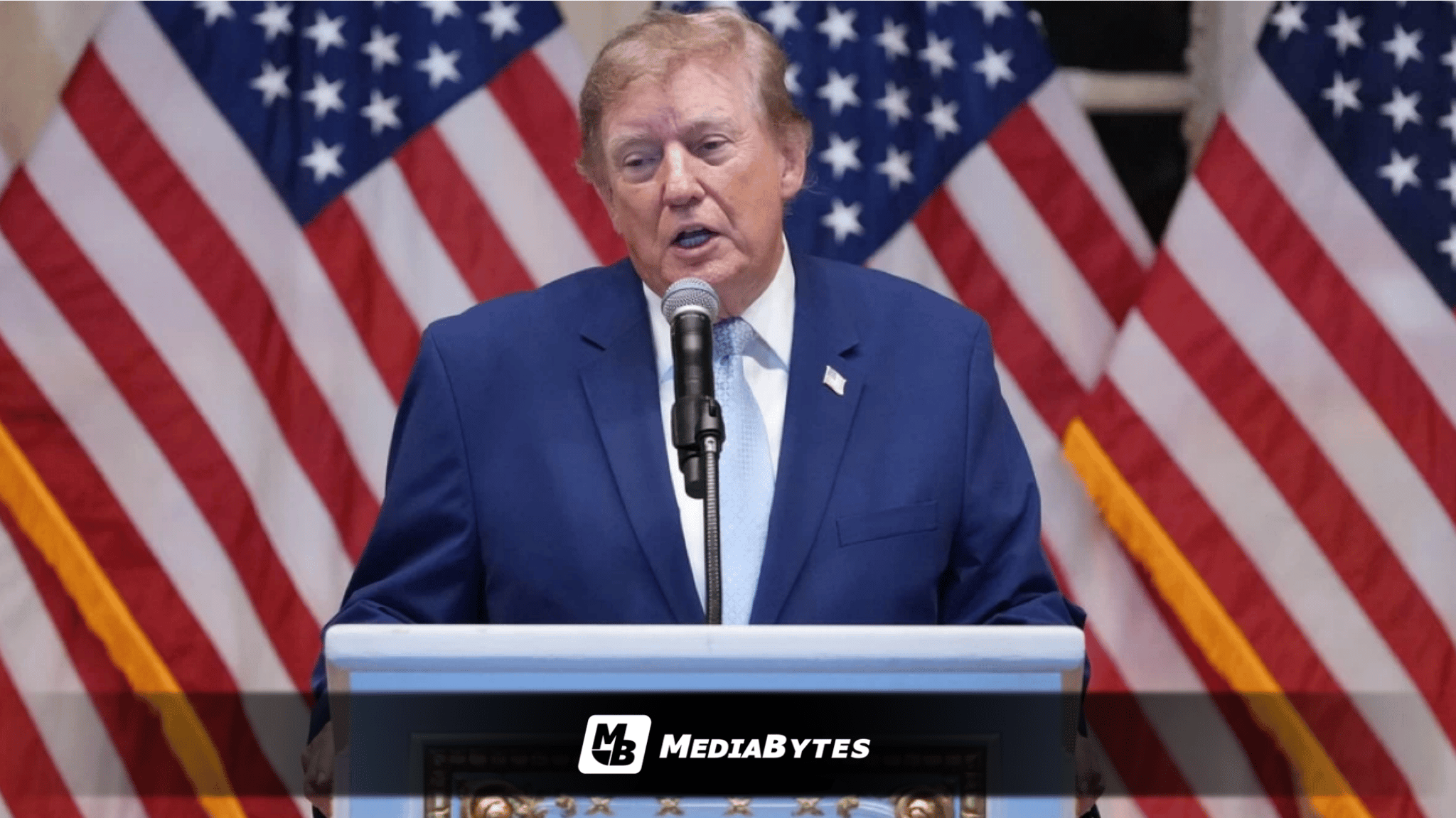
WASHINGTON — U.S. President Donald Trump executed an unexpected policy reversal on Friday, October 16, by signing an executive order to freeze a broad sanctions package directed at the Russian economy, arguing to Capitol Hill that the delay serves national interests.
The decision arrived merely two days before the legislation’s legally mandated implementation window and followed Trump’s own signature of the bill just last month. The maneuver swiftly provoked sharp rebukes from congressional Democrats.
Named in honor of the late South Carolina Senator Lindsey Graham, the framework was crafted to expedite financial restrictions aimed at curbing Moscow’s war effort against Ukraine.
The sudden pause trails a controversial announcement from the administration a week prior, in which Trump stated that the U.S. had arranged to acquire Russian diesel to help lower global energy prices, despite potential setbacks for Ukraine.
Public sentiment data, including an AP-NORC Center for Public Affairs Research poll released October 1, indicated widespread public dissatisfaction with the administration’s handling of foreign conflicts and living costs, dragging approval ratings downward as Republicans face critical midterm elections on November 3.
The suspended package represents a key element of Senator Graham’s legislative legacy. A close presidential confidant, Graham died unexpectedly in July following a diplomatic visit to Ukraine, having consistently championed harsher penalties against Moscow to force an end to the conflict.
Lawmakers rallied around the measure with overwhelming bipartisan backing following his passing, only to watch Trump step back from the mandates on Friday.
The initiative was designed to isolate Russian President Vladimir Putin from vital financial lifelines utilized throughout the multi-year invasion of Ukraine. Co-authored by Senator Richard Blumenthal of Connecticut, the text targeted high-ranking officials, banking institutions, and the clandestine tanker fleet sustaining Russian energy exports.
It also mandated up to 100% tariffs on primary importers of Russian petroleum, granting carve-outs exclusively for nations importing minimal shares with verified reduction plans.
Blumenthal criticized the freeze in a formal statement, asserting that the president was turning his back on “the majority of Americans, their representatives in both houses of Congress, and our European allies.”
“These waivers have nothing to do with our national security, and everything to do with sucking up to Vladimir Putin,” Blumenthal added.
Representative Don Beyer of Virginia posted on social media shortly after the disclosure, noting that lawmakers had anticipated such an outcome and urging colleagues to “fix this flawed law to stop Trump from capitulating to Putin and ensure that it truly supports Ukraine.”
While the White House released formal notifications to Congress detailing the national interest rationale, specific operational justifications were not immediately provided, coinciding with an escalation of friction between Trump and Ukrainian President Volodymyr Zelenskyy over stalled peace negotiations.